Even though Singapore has been led by the People’s Action Party (PAP) ever since Singapore gained independence from Malaysia in 1965, there is a large number of opposition parties (10 active ones) that continually challenge the PAP for parliamentary seats. With widespread policy directions, the newer opposition parties often come across as more radical opposition that hopes to overhaul systems that the incumbent government has built up.
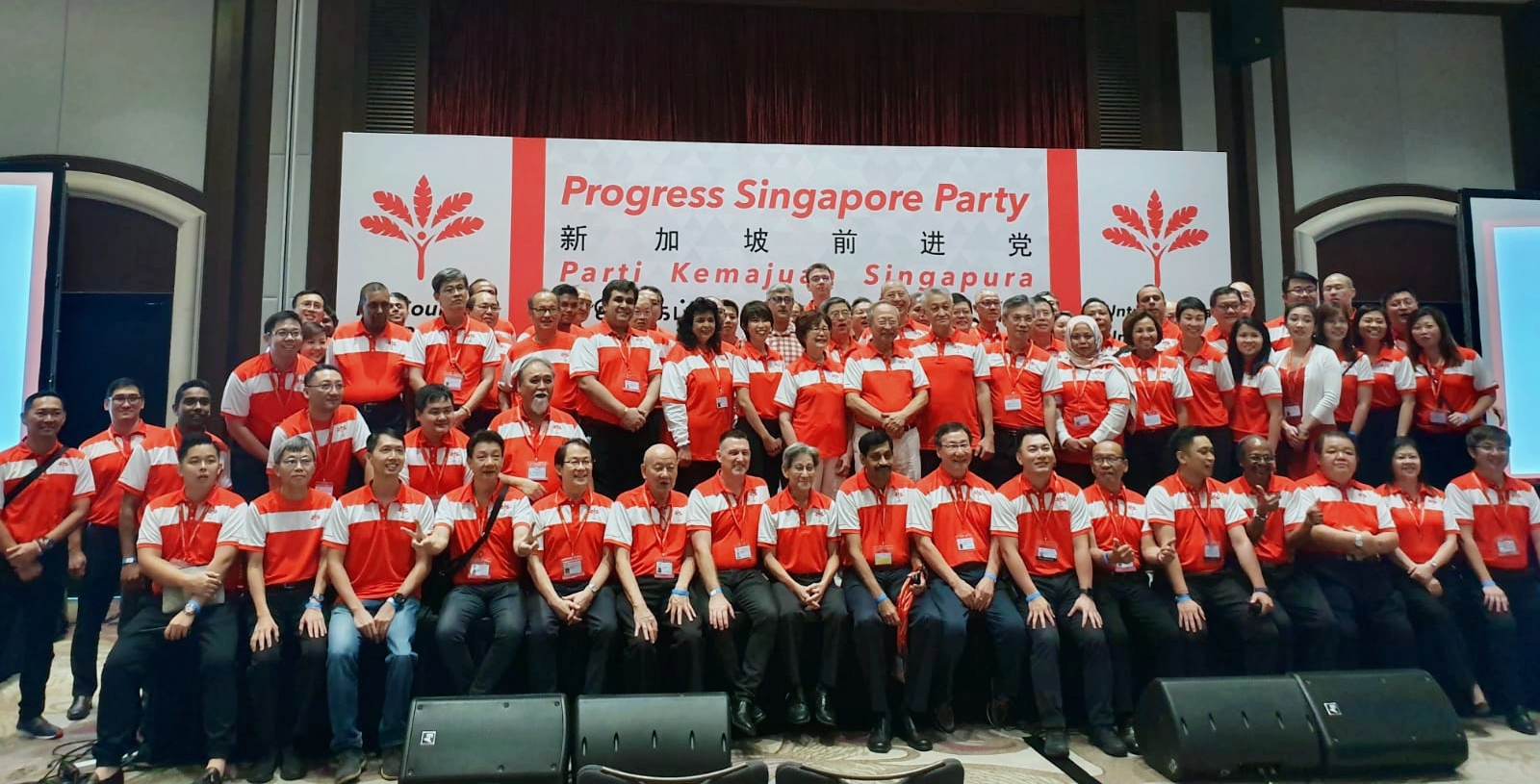
In 2019, the newest political party joined the fray. Set up by Dr Tan Cheng Bock, the Progress Singapore Party (PSP) is the 11th opposition party in Singapore. So, how does PSP stack up against all the other opposition parties?
A New Political Party?
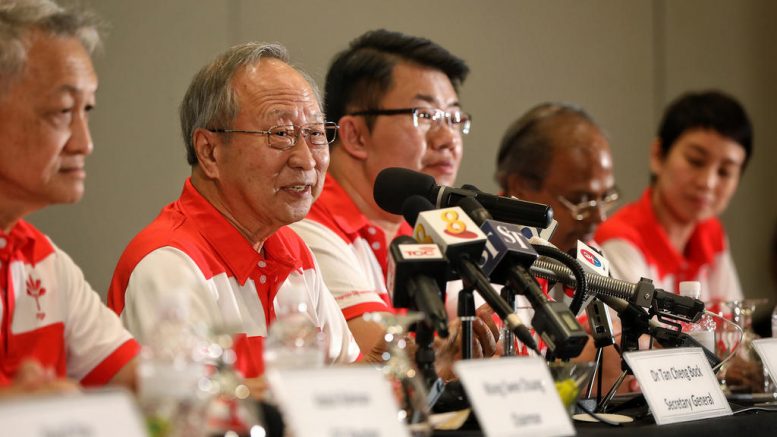
Before we even look at the party, we have to first study the founder. Despite being new, the founder of the party, Dr Tan Cheng Bock is a name that is familiar to many in Singapore. Dr Tan ran for the 2011 presidential election in Singapore and was an active political figure under the PAP from 1980 to 2006.
While Dr Tan was initially from the PAP, he started PSP as he felt that “PAP has changed” and that he hoped to make a better life for Singaporeans. Just like the other opposition parties in Singapore, PSP calls out for a more transparent government.
Dr Tan also believes in the idea of “Think Singaporeans First”. Similar to most of the other opposition parties in Singapore, he does not align himself with the government’s push for a larger intake of foreign talent, believing instead that more opportunities should be given to locals.
Looking at these, the push for more transparency and policies to reduce foreign dependence seems familiar. Just like the other opposition parties, PSP wants to reduce the PAP majority to below two-thirds of the parliament and give Singaporeans a government that has enough opposition to make a difference.
Keeping Quiet About Their Policies
Despite being new to the political scene, unlike the other new opposition parties, PSP has decided to keep most of their political agendas quiet.
This is the case with issues like what the party plans to do with the citizens’ Central Provident Fund (CPF). As stated by then-Assistant Secretary-General Lee Yung Hwee at PSP’s official launch, PSP wants to make data-driven decisions only after they are able to have a more complete set of data about the retirement fund. He explained that PSP understood the complexity of the system behind CPF and it contained many important elements that Singaporeans rely on.
While this might seem like a non-answer, this non-answer way of approaching politics is very similar to many of the other opposition parties in Singapore. The Singapore Democratic Alliance suggests higher CPF returns without detailing the route to providing the higher CPF returns. Singaporeans First wants an extra pension system and the National Solidarity Party wants to make CPF an opt-in policy. The only opposition party in Singapore with a carefully thought-out and detailed policy is the Workers’ Party.
Perhaps it is the lack of resources to plan and have detailed manifestos, or perhaps it is the vastly different political views of every candidate in the various opposition parties. Many of the opposition parties in Singapore are marked by a distinct lack of detailed policy directions. Instead, most of them come out with similar-sounding stances (like returning CPF at 55/60 and fewer foreign workers) that are not backed with solid proposals. With such widespread opposition candidates that have varied political views, it is a pity to find that most of them lack a political backing driven by a concrete party manifesto. With this being the case, it seems that the opposition (except for the Workers’ Party) has not found the correct footing that can poise them for success.
Recommendations for Building a Long-Term Economy
This lack of detailed policy backing can also be seen when PSP shared a set of recommendations before Budget 2020 was announced by Singapore’s Deputy Prime Minister and Finance Minister Heng Swee Keat.
Instead of detailing what and where they suggest the money be spent, PSP has simply put out bold claims like believing strongly in having long-term permanent plans instead of “short-term occasional handouts” and that government expenditure should not be growing at a rate larger than the country’s GDP growth.
If you simply glance through their suggestions, they might even seem contradictory when seen from a different angle. PSP wants an “expansionary budget” but hopes to peg government spending to GDP growth in a year where a shrinking GDP is forecasted. PSP plans to have long-term permanent plans but is reluctant to spend on large infrastructure projects. Unless they put out detailed policies, it is impossible for Singaporeans to truly understand why they mean when they make these bold claims.
The Same-Old New Opposition Party?
As seen by their stances on Budget 2020 and CPF, it seems that PSP is just like the other opposition parties in Singapore. Similar to many of Singapore’s opposition, PSP claims to be a different political party that wants to put Singaporeans first. Yet, similar to all of them, it seems that PSP is just another opposition party that hopes to push PAP out of their comfortable two-thirds majority in parliament.
While there were talks about a PSP-led opposition alliance, there has been no official news yet about the plan of a strong opposition alliance going through. Unless Dr Tan can be the catalyst for the opposition parties to finally join hands, it seems that creating yet another opposition party to tear down PAP’s majority simply dilutes the opposition votes further. And while they can all agree to fight in different districts, the overflowing number of opposition parties only serves to make it confusing for voters while providing nothing new (no real policy changes). If PSP and the other political parties hope to be a serious contender in Singapore, the various political parties have to really rethink their positions and join forces to create a large opposition alliance party that can pose a real challenge for PAP. Until these opposition parties pool together all their resources and manpower, it seems that PSP will just be another dissenting voice that will be eventually washed away in the crowd when an even newer party comes out to play.